
Why Would Someone Need an Occupational Therapist?
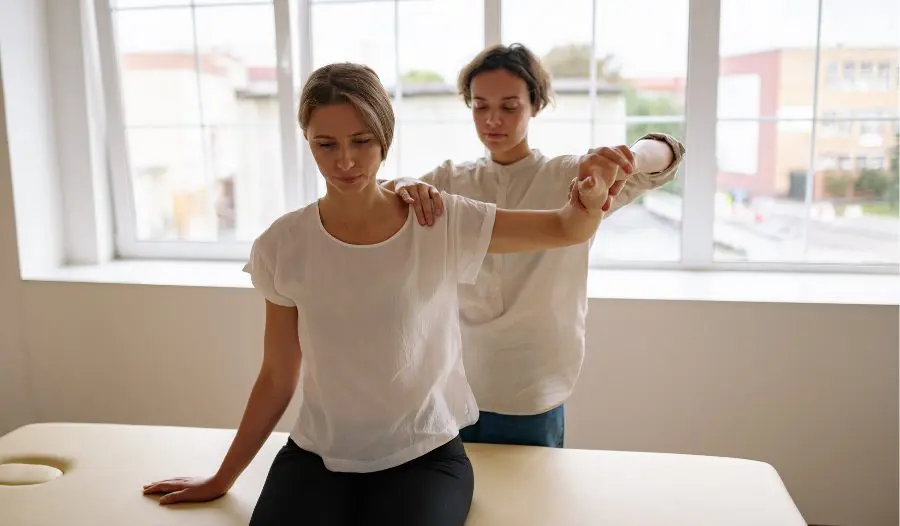
Occupational therapy can be incredibly helpful for a variety of patients, but you might not realize just how beneficial this form of therapy is for supporting independence and improving quality of life.
Occupational therapy focuses on the everyday activities we all do from the time we wake up until we go to bed. For the vast majority of us, chores and tasks are completed without much thought. We go through our day almost on autopilot and don’t typically give a thought to how we hold our toothbrush or walk down the stairs to make breakfast. But for many patients, each and every task, no matter how insignificant, can be a challenge and an obstacle to living a fuller life.
That’s where occupational therapy comes in to provide a life-line of evidence-based therapies which make it more practical and easier for patients to successfully complete simple to complex tasks, whether at home, at work, or in school.
For some patients with mild or temporary symptoms, occupational therapy can make the difference in allowing someone to become self-sufficient and live on their own. At the same time, patients with more severe conditions who are unable to care for themselves fully can have the chance to lead richer, more satisfying lives.
Why would someone need an occupational therapist?
At Oakland Spine and Physical Therapy, we’re proud to provide occupational therapy to our patients at our Clifton, New Jersey location. In addition to providing comprehensive care to improve chronic pain and persistent conditions using natural, non-invasive therapies like chiropractic, physical therapy and acupuncture, we’re thrilled to be able to offer occupational therapy for patients who need adaptive strategies for everyday life.
Patients throughout North Jersey rely on Oakland Spine and Physical Therapy for chiropractic care and complementary therapies at our five locations in Oakland, Wayne, Fair Lawn, Clifton, and Closter. By also providing occupational therapy at our Clifton, NJ location, we believe we can provide comprehensive care that addresses all parts of a patient’s life, not just their physical symptoms.
How does occupational therapy work?
Occupational therapists teach patients adaptive ways to complete tasks taking into account each patient’s physical limitations. Assistive devices can complement such therapies and therapists can be an invaluable resource for teaching patients how to use such tools to achieve the best outcomes.
It’s important to understand that occupational therapy meets patients where they are. This field of therapy is not designed to treat or cure a condition. Instead, our experienced team of occupational therapists will take a patient’s limitations into account and devise techniques for overcoming physical and cognitive obstacles by providing adaptive strategies that allow a patient to circumvent their limitations. Some examples of these activities include:
- Teaching patients how to safely bathe themselves
- Providing adaptive tools for easier dressing and grooming
- Showing patients how to use adaptive utensils and cooking instruments for preparing and eating meals on their own
What conditions can benefit from occupational therapy?
There are numerous conditions, both chronic and acute that can benefit from occupational therapy. From children with congenital conditions to older patients recovering from an acute health event like heart attack or stroke, patients can range widely in lifestyle, phase of life, and severity of condition. Below are just a few of the conditions occupational therapy can assist with managing symptoms.
Arthritis
Arthritis is a painful chronic condition that can severely limit a patient’s ability to perform normal tasks. A patient’s hands can be significantly impacted by arthritis, making simple acts like buttoning a shirt, cooking, or writing painful and frustrating.
Occupational therapy can help patients regain independence by introducing adaptive strategies and tools that focus on reducing joint strain. Our therapists might recommend ergonomic utensils, button hooks, and jar openers to make daily activities easier while teaching joint protection techniques to prevent further damage.
Custom splints, braces, and assistive devices provide additional support, while tailored exercise programs improve hand strength and flexibility. With the right modifications, arthritis patients can maintain mobility, reduce pain, and continue doing the activities they love.
Chronic Pain
Chronic pain can make even the simplest tasks feel exhausting. An occupational therapist can help you develop strategies that minimize pain while helping you maintain and develop better function. Techniques, such as energy conservation, task pacing, and body mechanics training, all work to reduce strain on sensitive areas of the body. In addition, adaptive tools, such as cushioned grips for writing or standing desks for posture support, can ease daily activities, allowing you to regain concentration and productivity. Therapists also incorporate mindfulness techniques, heat/cold therapy, and guided movement exercises to improve mobility and reduce discomfort, empowering patients to navigate life with less pain and greater ease.
At Oakland Spine and Physical Therapy, one of our core missions is to help patients tackle chronic pain. Through programs like the Butler Spine Program which addresses chronic back pain, we focus on bringing relief and improvement to many chronic pain conditions. Occupational therapy can be a part of a comprehensive management program that allows you to better live and work today while we use chiropractic techniques and physical therapy to help improve your condition.
Injury Recovery
After an injury, occupational therapy helps patients regain strength, coordination, and confidence in daily activities. Therapists design targeted rehabilitation exercises to restore mobility while introducing assistive devices like braces, splints, and reachers to promote independence during recovery. By combining occupational therapy with physical therapy, you can benefit from complementary therapies that help you heal and get back to your life more efficiently.
For workplace injuries, ergonomic adjustments (such as wrist supports for repetitive tasks) help prevent re-injury. Gradual activity reintroduction, balance training, and modified movement techniques ensure you can return to normal function safely and effectively, reducing the risk of setbacks and long-term mobility issues.
Occupational Therapy Provides Benefits for Many Conditions
In addition to the above conditions, it’s important to realize that occupational therapy can help make life easier and more fulfilling for patients with a wide array of both acute and chronic conditions, including:
Stroke Recovery
Addressing paralysis from a stroke, occupational therapists will teach patients how to regain motor skills by improving hand-eye coordination and relearning essential tasks like dressing and cooking.
Mental Health & Cognitive Challenges
Occupational therapists can help individuals with overcoming their mental health challenges like anxiety, PTSD, and depression. By developing structured daily routines, stress-reducing strategies, and sensory-based relaxation techniques, occupational therapists can help patients improve emotional regulation.
Behavioral Challenges
For ADHD and executive functioning difficulties, patients can learn visual schedules, time management tools, and workspace organization techniques to enhance focus and productivity. Additionally, many occupational therapists specialize in pediatric patients, addressing behavior issues to promote better learning, family life and socialization during critical early years.
Neurological Conditions
Patients with Parkinson’s disease can learn hand-strengthening exercises, movement strategies to reduce tremors, and adaptive tools for dressing and eating. For Alzheimer’s patients, occupational therapy focuses on memory support strategies, visual cues for navigation, and environmental modifications to improve safety and independence.
Diabetes
Occupational therapists assist patients living with diabetes with everything from lifestyle adaptations and foot care education to meal planning strategies which prevent complications and improve self-care routines.
Autism
Both kids and adults can benefit from personalized interventions which include sensory integration techniques, social skill development, and environmental modifications which support greater independence and the successful execution of daily activities.
Occupational Therapy for Older Adults
As we age, our mobility, flexibility and balance gradually diminish, placing us all at a greater risk for falls. Since falls often lead to a cascade of failing health and frailty, many times leading to premature death, it’s imperative that we all stay vigilant against unnecessary injury as we age.
Everyday activities can become more challenging for seniors due to a combination of mobility limitations, balance issues, and cognitive decline. Occupational therapy can help seniors stay independent, while helping prevent falls by giving families the resources to better adapt their homes to remain safe and accessible.
Your occupational therapist will assess mobility risks and recommend balance exercises, strength training, and walking aids like canes or walkers. They will also teach safe movement strategies, such as proper ways to get up from a chair or navigate stairs, to reduce fall risk.
Practical tools like color-coded pill organizers or voice reminders help to make daily living easier and support greater independence.
Occupational therapists often evaluate home environments and suggest strategies like grab bars in bathrooms, non-slip flooring, stair railings, and smart home technology to improve safety. They may also recommend adaptive tools, such as easy-grip utensils and one-touch faucets, to help seniors remain self-sufficient while reducing physical strain.
Occupational Therapy in North Jersey
As you can see, occupational therapy can be a game-changer for patients of all ages, empowering individuals and helping them to improve their quality of life and regain independence. Whether you’re recovering from an injury, managing a chronic condition, or adapting to physical changes, occupational therapy can be the support you need.
At Oakland Spine and Physical Therapy, our highly-trained occupational therapists provide personalized strategies to restore function, reduce strain, and enhance daily life. Our therapists pride themselves on being patient guides, offering adaptations, proactive problem-solving, and alternative pain management techniques, so you can navigate tasks more easily and comfortably.
Our team is ready to provide the expert recommendations and hands-on training for adaptive equipment to ensure your long-term success. Schedule a consultation at our Clifton, New Jersey location and discover how occupational therapy can support your journey to a healthier, more active life. It’s time to get back to doing the things you love and we’re here to help you in that process!


